HockeyIQ Club Start
2 VR headsets · recommended for up to 30 players
Club use without personal player accounts. Track training activity and results at club level.

HockeyIQ × Sense Arena · Club programme
Train game situations, track results and support your coaches, from U10 to the professional squad.
The HockeyIQ Club Programme brings together VR equipment, Sense Arena drills and support for coaches. We tailor sessions to the club’s age groups, sporting goals and weekly training schedule.
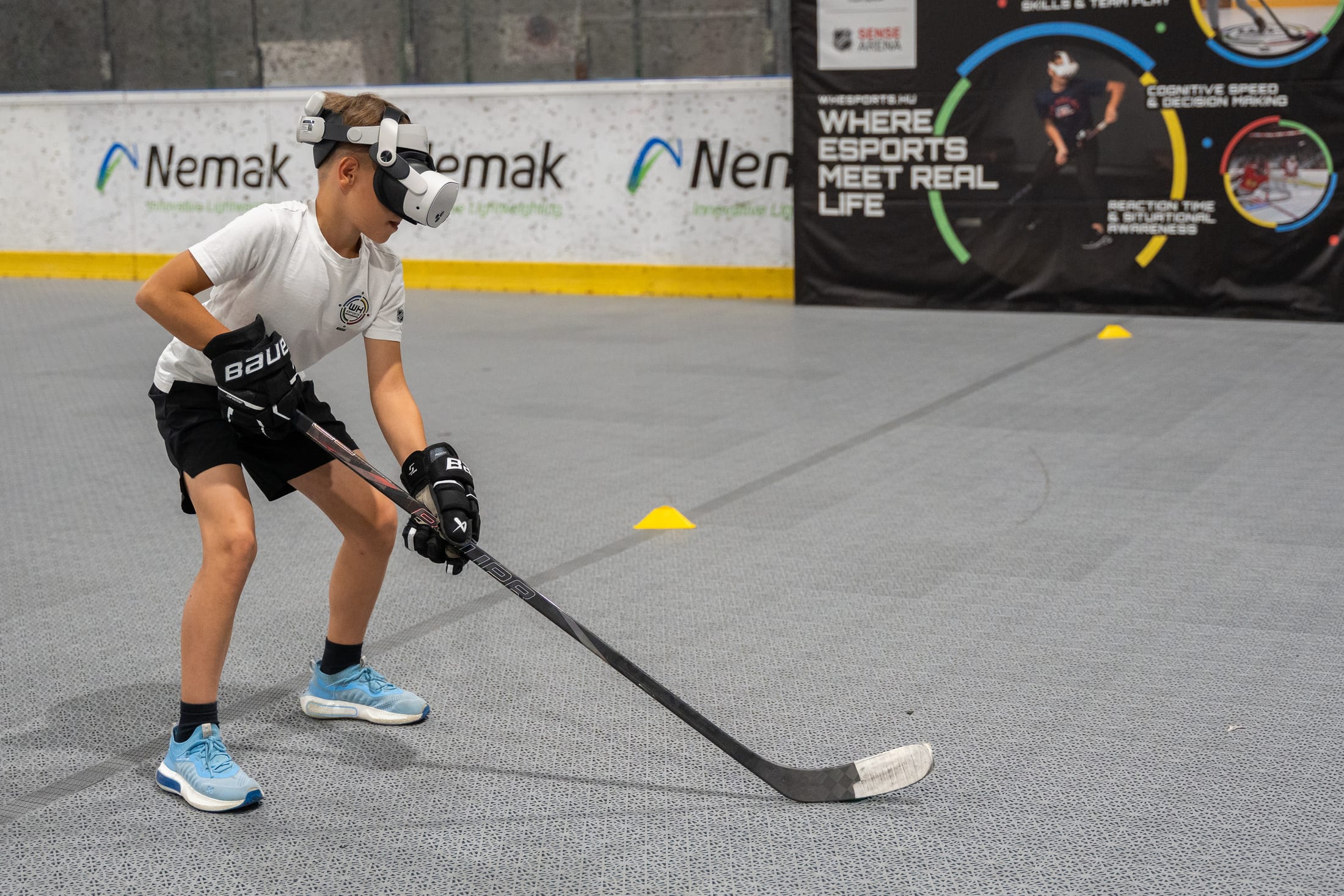
drills so far.
Skaters and goalies
Spot the open teammate, choose the right pass, enter the offensive zone and play in front of the net.
Scan the ice, decide under pressure, move the puck out of your own zone and transition to attack.
Track the puck, get into position and react to screened shots, cross-ice passes and deflections.
Goalie drill videos →We adapt each drill and workload to the age group, experience and training goal. Depending on the drill, you can adjust the zone, side, direction, pace and difficulty.
| Age group / Level | Training focus | What to focus on during the session |
|---|---|---|
| U10–U12 Learning to read the game | Staying alert, tracking the puck and making simple decisions. | Give short, clear instructions, introduce the drill and practise it safely. Match the difficulty and workload to the player. |
| U14–U16 Recognising situations sooner | Scanning, deciding when to pass or shoot, reacting and recognising game situations. | Connect what players see to the decision they make. Work on one focus over several sessions. |
| U18–U21 Competitive situations | Make decisions under pressure, keep up the pace and execute cleanly. | Match drills to position and role, vary the difficulty and compare measured results with the coach’s observations. |
| Professional level Individual assessment protocol | An initial assessment and a follow-up for a specific performance question. | Agree on drills in advance, keep conditions comparable, review the results in detail and discuss them with the coaching team. |
The age groups are a guide for planning. Participation also depends on equipment fit, supervision, current manufacturer guidance and individual tolerance.
Plan the game situation and difficulty separately. First choose the training goal and the right zone. Then tailor the drill to the skater’s or goalie’s experience.
| Area | Available game situations and training setup | What coaches look for |
|---|---|---|
| Skaters · defensive zone | Shoulder checks, receiving the puck, passing under pressure and breaking out of your own zone. | Awareness, passing decisions and causes of turnovers. |
| Skaters · neutral and offensive zones | Find open teammates, enter the offensive zone, make use of an odd-man advantage, play a give-and-go and work in front of the net. | Choose the best option and execute it accurately. |
| Goalies · GAP training programme | 8 levels per skill area, with 3 training days per level. Easy, medium and hard difficulty. | Starting level, comparable conditions and gradual progression. |
| Skaters · PAS training programme | Guided drill sequences and courses that build individual skills at increasing difficulty. | The next drill depends on how well the player completes the current task. |
| Goalies · shots and screens | Shots at different speeds and angles, with brief or sustained screens. Includes Box Control, 3D replay and positioning guides. | Track the puck, choose the right angle and depth, and pick up the shot early. |
| Side, direction and workload | The available settings for side, direction and pace vary by drill. | Match the settings to the player’s position, training goal and level. |
Four ways to work together
2 VR headsets · recommended for up to 30 players
Club use without personal player accounts. Track training activity and results at club level.
4 VR headsets · up to 50 personal profiles
Individual drill results, initial assessments and follow-ups within the agreed training programme.
Shared training priorities, groups organised by age and a club-wide overview. Equipment and profile numbers depend on the club’s needs.
Drills, assessment protocols and advice matched to the coaching team’s goals.
Every programme includes onboarding, coach training and support with use and session planning. The coaches responsible can also take part in training every six months at the HockeyIQ Training Center.
Player numbers, personal profile numbers and weekly training capacity are separate figures.
More players may be able to take part, depending on the agreed setup and access terms. Larger clubs can plan a rotation of up to 100 players if they have enough headsets, access and weekly training time.
Getting started
The club provides a suitable training area, a coach in charge and a weekly time slot. The club proposal sets out the equipment, access and responsibilities of each party.
| Time | Task |
|---|---|
| 3 min | Check the equipment and go over the goal and instructions. |
| 5 min | Get familiar with the task or start with a preparatory drill. |
| 10 min | Work on the focus, with short breaks if needed. |
| 2 min | Give feedback and note the next training focus. |
| +5 min | Example allowance for switching players, cleaning and setting up for the next player. |
| Who | Main responsibility | What to agree before starting |
|---|---|---|
| HockeyIQ | Introduce the equipment and programme, train the coaches and help them run sessions. | Equipment list, access, initial and ongoing training, and a contact for questions. |
| Club management | Arrange the training venue, weekly time slots, a contact person and organisation within the club. | Participating teams, responsibilities, storage, rules for use and roles in handling data. |
| Coach in charge | Choose drills, schedule player changes, supervise training and use feedback to plan future sessions. | Training priorities, attendance, drill records and coordination with on-ice practice. |
Get familiar with the programme and choose the first drills and training priorities.
Weekly plan, recorded attendance and clear instructions from the coaching team.
Run comparable drills and adjust the training if needed.
Review how the programme was used, discuss what the sessions showed and set the next focus.
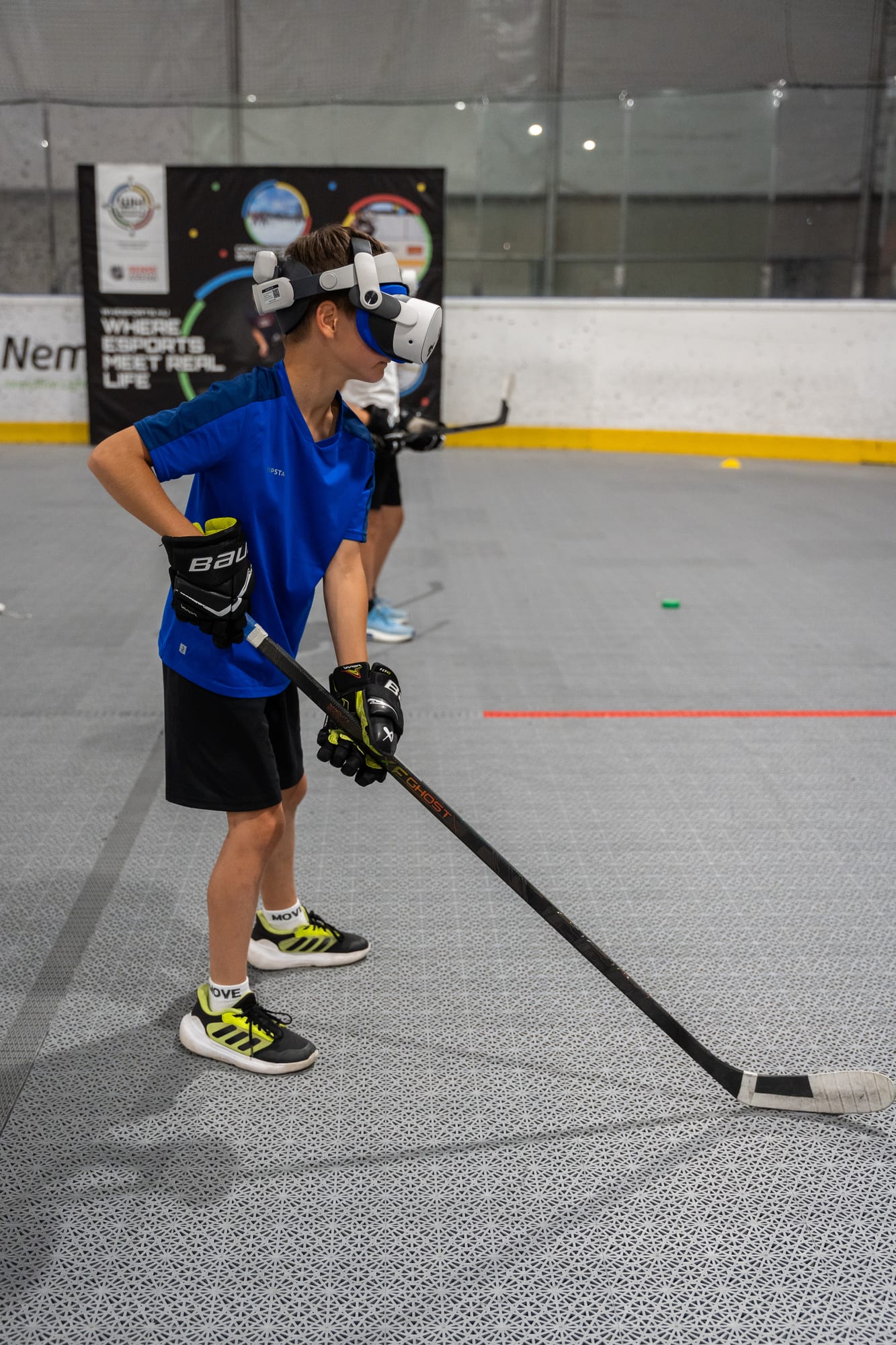
Adapt the example to the player’s age, drill and experience. Plan separate time for switching players.
Allow enough clear, obstacle-free space for the drill and the movements it requires. Keep the stations separate from the waiting area. We check the layout against the space available.
Charging, secure storage, networking and training accessories. We agree on the equipment and requirements for use at handover.
Provide a responsible person on site, clear instructions, prepared participants and time to switch players. If several age groups use the programme, we draw up a shared schedule.
Clean the devices as the manufacturer directs, check fit, take breaks and stop the session if needed. We discuss the on-site routine during onboarding.
Who creates and uses profiles? Who can see the results and how does feedback reach the coach? Before starting, we agree on data responsibilities and how to inform the people involved.
The club knows who to ask about training and use, how to report technical issues and who coordinates support on site. The proposal sets out the support details.
The planner calculates how many sessions fit within the equipment, weekly training time and changeover time available.
Capacity is calculated from the values you enter.
Calculated training capacity and the number of personal profiles are independent. The 6- and 8-station options help plan larger setups. Equipment and licence terms are agreed separately.
Training progress
Track attendance and the available results for each drill. Where the programme uses personal profiles, coaches can refer to earlier results for the same player.
We take account of the drill, difficulty and assessment conditions. The coach considers VR results alongside observations on the ice.
| Assessment details | Player profile or club group, period, date and data source. |
|---|---|
| Participation | Training sessions and the usage data needed for review. |
| Drill and difficulty | Drill name and settings, marked as familiarisation or a comparison assessment. |
| Drill result | Available module metrics, such as accuracy or timing. |
| Comparison | Earlier assessment under the same conditions, any differences in conditions and limits on what the results can show. |
| Coach observations | Following instructions, awareness and attention, the option chosen and observations on the ice. |
| Next training focus | Suggested drill topic, next review and a related on-ice task. |
Club management can review participation, regular use and progress across the programme. Members of the coaching team handle individual data according to their responsibilities.
Comparable assessments Changes in difficulty, familiarisation, a different drill or irregular attendance can affect the results. Record those factors when interpreting a change in score. Comparisons between players need their own coaching criteria.
Drill videos
15 drill videos with Hungarian audio, 9 for skaters and 6 for goalies. The Sense Arena library contains a further 89 drills.
0:30
The player scans the ice, identifies the open teammate and plays an accurate pass.
Open teammate passing
Watch for scanning the ice and recognising the open teammate.
Short coaching cue Scan the ice! Spot the teammate getting open and play a precise long pass.
0:30
The player scans the ice and moves the puck deliberately to set up an offensive zone entry.
Entry to OZ
Watch for reading the play before entering the offensive zone and moving the puck accurately.
Short coaching cue Look around and decide how to bring the puck into the offensive zone. Keep the attack moving with an accurate pass.
0:28
The attackers time their passes and finish according to how the two defenders are positioned.
3 on 2
Watch for recognising defensive positioning and timing the pass.
Short coaching cue In the three-on-two, watch how the defenders line up. Move the puck and look for a finish.
0:25
After passing, the player keeps moving and gets open for the return pass.
Give and go
Watch for movement after the pass and the timing of the return.
Short coaching cue Pass to your teammate, keep moving and get open for the return. Build the attack with quick passes.
0:30
In front of the net, the player puts the stick in the shot lane and tips the puck at the right moment.
Tipping
Watch the timing of stick-to-puck contact.
Short coaching cue Get in front of the net, put your stick in the shot lane and tip the puck in. React quickly to the shot.
0:38
The defender checks over their shoulder before moving the puck.
Shoulder check (Defense)
Watch for awareness before the player moves the puck.
Short coaching cue Check over your shoulder before moving the puck. Be aware of what’s around you so you can keep possession.
0:30
The player uses passes to get past an opponent while breaking out of their own zone.
Passing dynamic with D (Defense)
Watch for recognising the opponent’s position and timing the breakout pass.
Short coaching cue Move the puck past the opponent on the breakout. Scan, choose the safe pass and start the attack.
0:25
The forward supports the breakout from their own zone by getting into position and moving at the right moment.
Breakout – forward position
Watch for getting open for the pass, moving at the right time and supporting the breakout.
Short coaching cue Get into position in your own zone and move at the right moment. Get open for the pass and help the breakout.
0:25
The player transitions quickly from defence to attack and looks for the first pass out of their own zone.
Transition to offense
Watch for the quick transition and the first pass out of the defensive zone.
Short coaching cue Switch from defence to attack straight away. Find a pass out of your zone and start a quick counterattack.
0:20
The goalie prepares for practice or a game with puck tracking, positioning and saves.
Goalie Warmup 3
Watch for puck tracking, positioning and readiness for practice or the game.
Short coaching cue Move, keep your eyes on the puck and make the saves. Get ready for practice or the game.
0:30
The goalie adjusts to the puck’s position to cover the shot lanes.
Box control master
Watch for position relative to the puck and coverage of the shot lanes.
Short coaching cue Cover the shot lanes with good positioning. Set up in relation to the puck.
0:27
The goalie tracks the puck across the ice and sets for the one-timer after a cross-ice pass.
Lateral shots
Watch for tracking the puck laterally and getting set for the one-timer.
Short coaching cue Follow the puck across and close down the angle. Be ready for a one-timer after the cross-ice pass.
0:30
After the cross-ice pass, the goalie adjusts quickly to the new shooting position.
Shot off pass
Watch for a quick change in position for the shot after the pass.
Short coaching cue Reset quickly after the cross-ice pass. Square up to the puck and be ready for the immediate shot.
0:22
The goalie finds and tracks the puck even when two players block their view.
Double Screen
Watch for puck tracking through a double screen.
Short coaching cue Find the puck even through a double screen. Stay in the shot lane and follow its movement.
0:23
The goalie tracks a deflected puck through the screen and reacts to its new path.
Deflection
Watch for tracking the puck through traffic and reacting to the deflection.
Short coaching cue Find the puck through the screen and expect a possible deflection. Track the new path and react quickly.
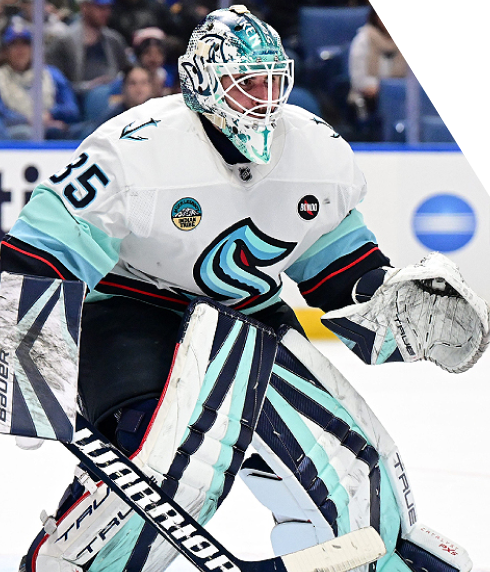
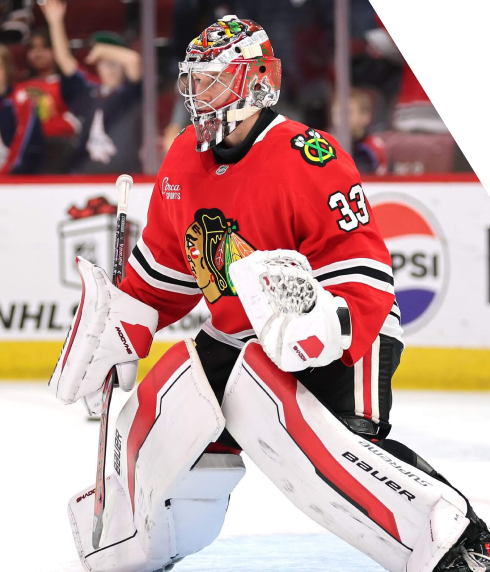
For him, it is an important part of his daily routine for getting mentally ready for a game.
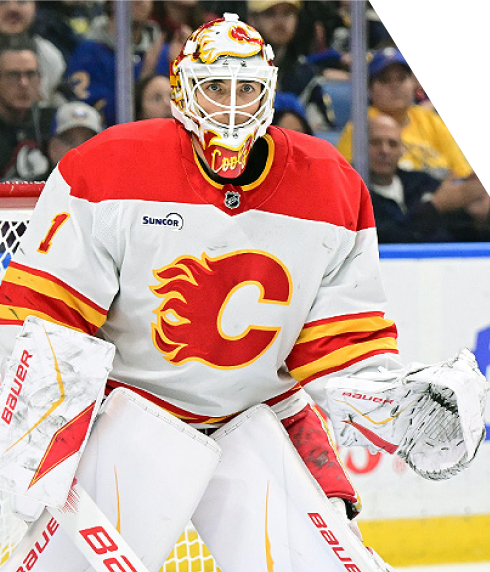
It helps him prepare mentally for the game and for common situations on the ice.
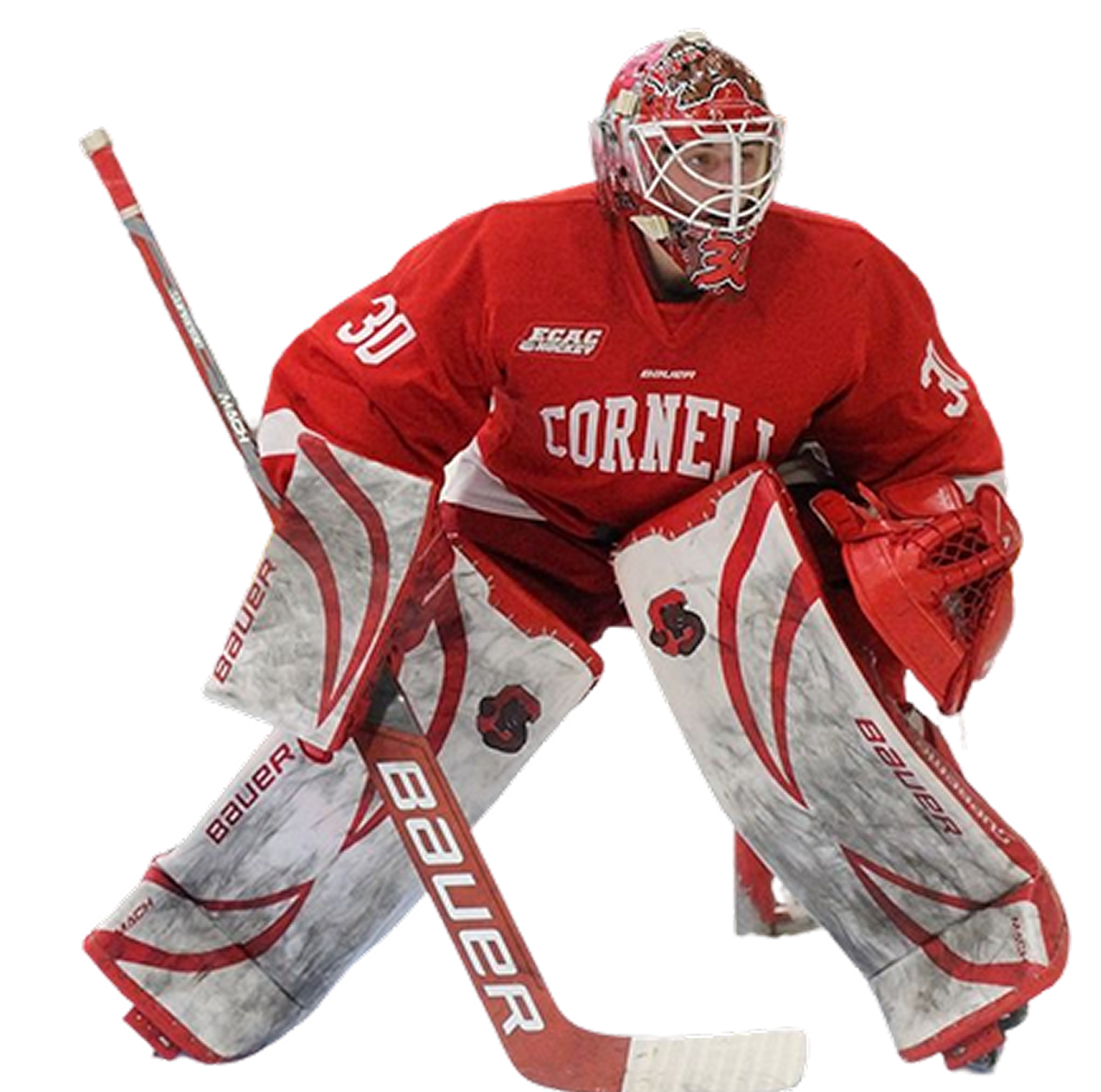
It feels like a game to him. He has to keep reading the play and reacting.
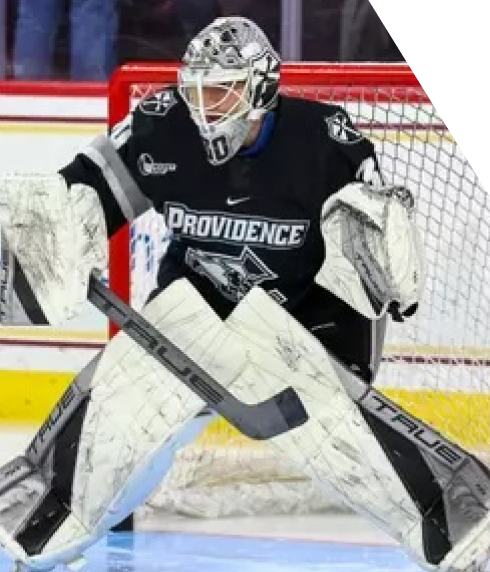
He trains to keep his eyes on the puck and wants to see as many shots as possible during preparation.
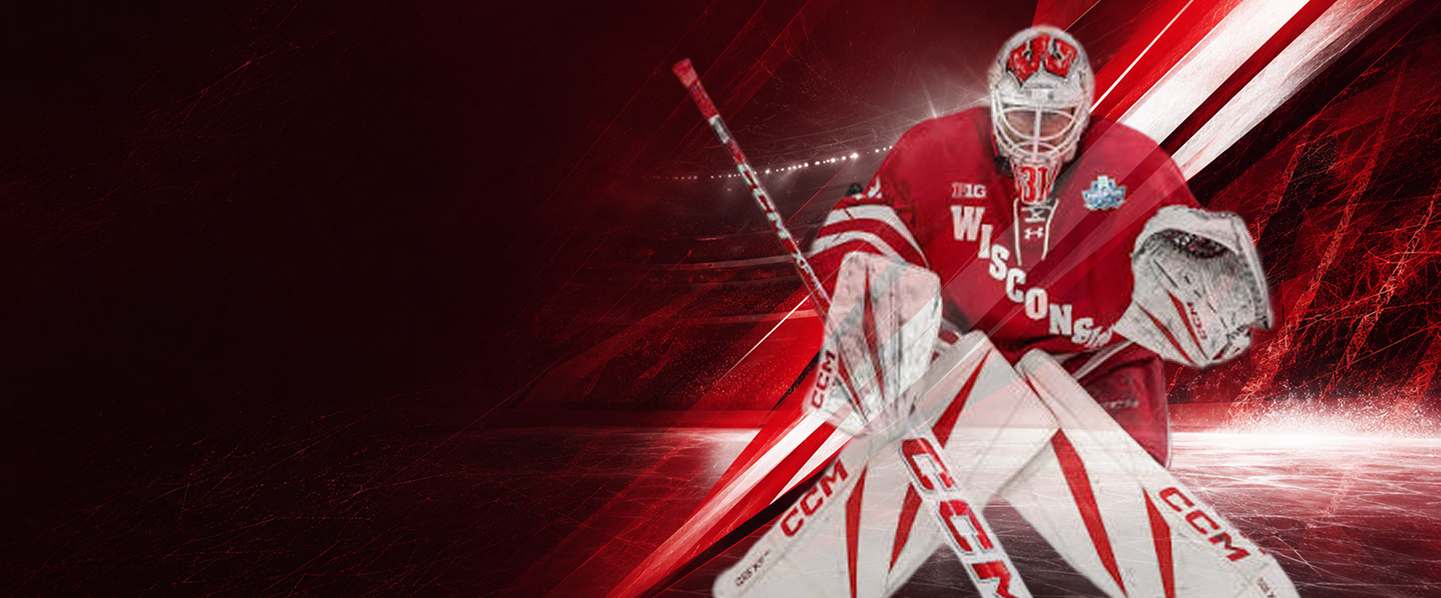
He uses it before every game to sharpen his focus and practise tracking the puck.
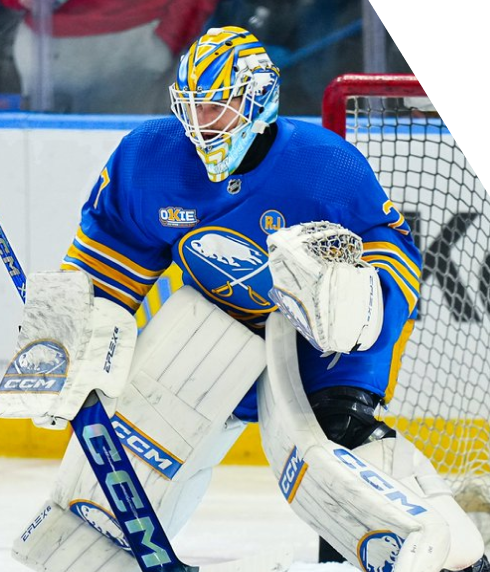
He is a Sense Arena ambassador. A specialist article shows how he uses VR in his goalie preparation.
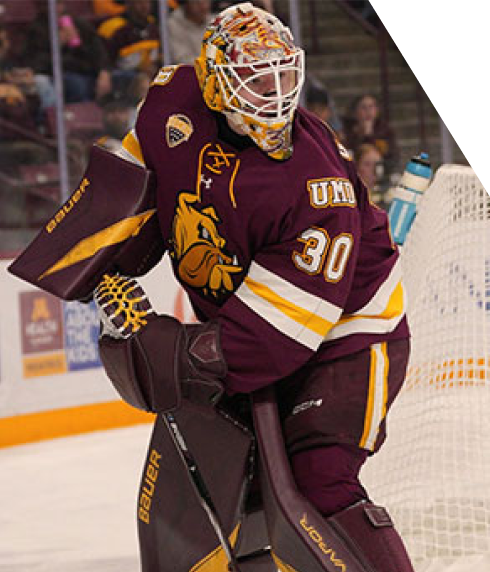
In an InGoal interview, he also talks about how he uses Sense Arena to prepare as a goalie.
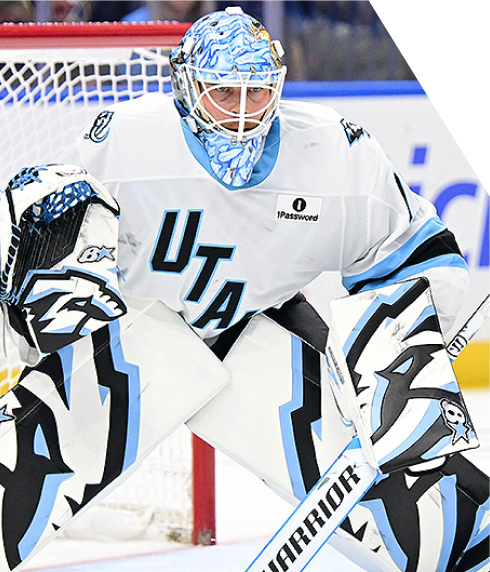
In an earlier report, he highlights how facing virtual shots helps him before he goes on the ice.
He is among the goalies featured by Sense Arena.
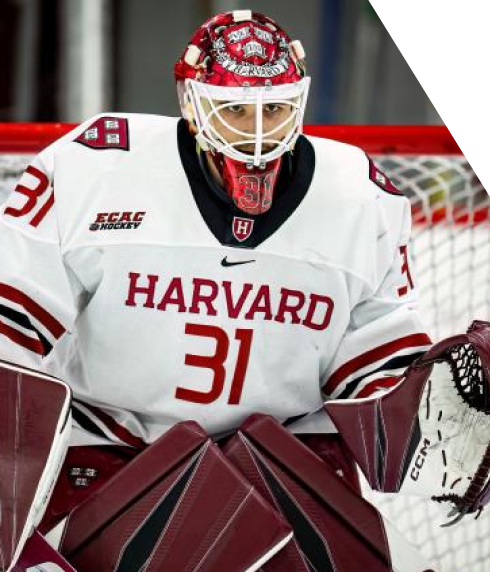
He is among the goalies featured by Sense Arena.
NHL.com / NHL Network
The NHL Now team demonstrates the VR system in the studio and discusses how it is used.
NHL.com / NHL Network
The Fanatics Fest demo shows how NHL Sense Arena works.
Passing, finishing, puck tracking and divided attention. Coaches can choose drills for skaters and goalies according to the training goal and the players’ current level.
Cognition · reaction
Mirror reflex
Mirror the objects’ movements. Recognise the pattern and respond accurately.
Attack · passing and shooting lanes
Find the lane
Find an open passing or shooting lane. Wait for the right moment and play the puck accurately.
Attack · tipping
Double Screen Tipping
Get in front of the net and tip the shot in. Use the screen and react quickly.
Cognition · number recognition
Multitask numbers
Recognise the number during play and decide quickly what to do with the puck. Remember the signal as well.
Cognition · colour recognition
Multitask colors 2
Watch the colour signals while moving and respond to the right one. Keep both tasks in mind.
Attack · finishing
Shooting & rebound
Shoot on net and react immediately to the rebound. Reposition and finish the follow-up.
Attack · finishing
Shooting agility
Find a shooting position while moving, then shoot quickly and accurately. Stay balanced as you move.
Attack · finishing
Gretzky’s office
From behind the net, look for an open teammate, then turn and shoot quickly. Use the unusual angle.
Defence · passing
Find the target
Find the right teammate and move the puck quickly and accurately to the designated target.
Defence · passing
Timing of the Pass
Pass as soon as your teammate is open to receive it. Focus on the timing.
Defence · passing
Passing dynamic
Keep moving as you pass and move the puck quickly. Look for the next passing option.
Goalies · reading the play
Screen shot 1 / 2 / 3
Track the puck as it emerges from the screen. Stay calm and react accurately as soon as you see the shot.
Goalies · reading the play
Shooter recognition
Scan and identify the shooter before your view of the puck is blocked. That helps you react sooner and make the save.
Goalies · reading the play
Shot from Slot 2
Expect dangerous shots from the area in front of the net. Keep your eyes on the puck, read the shooter and adjust your position.
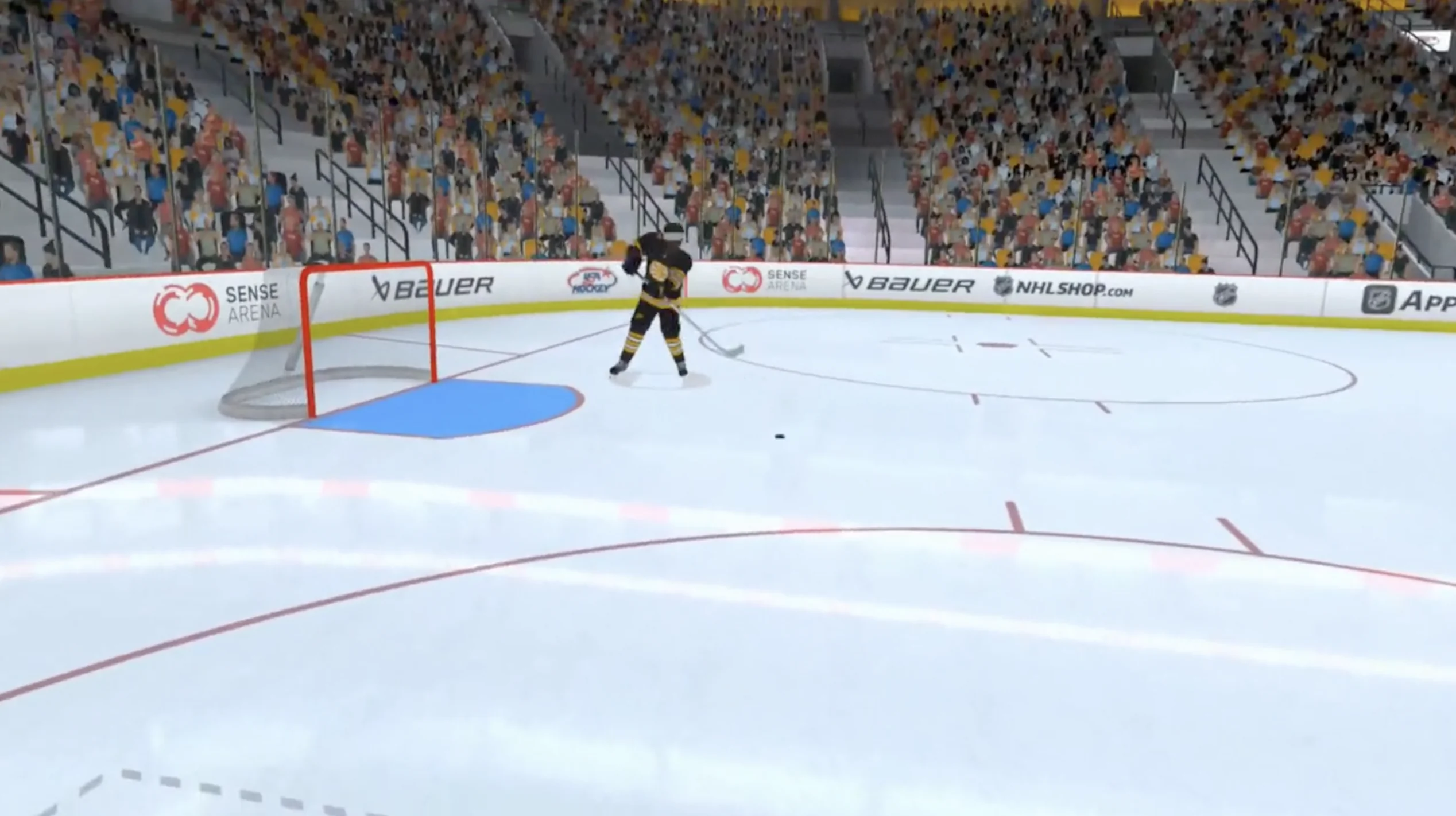
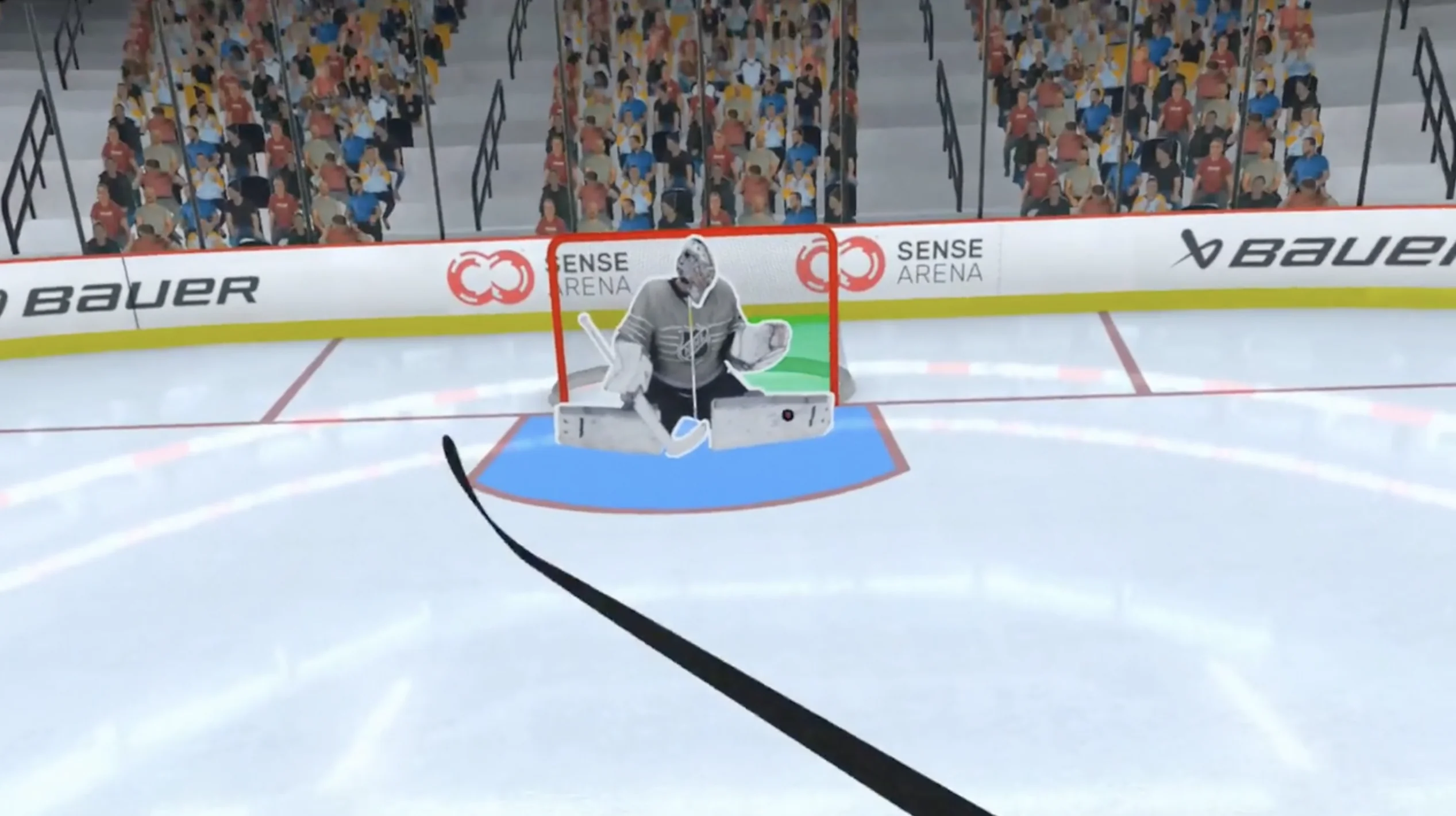
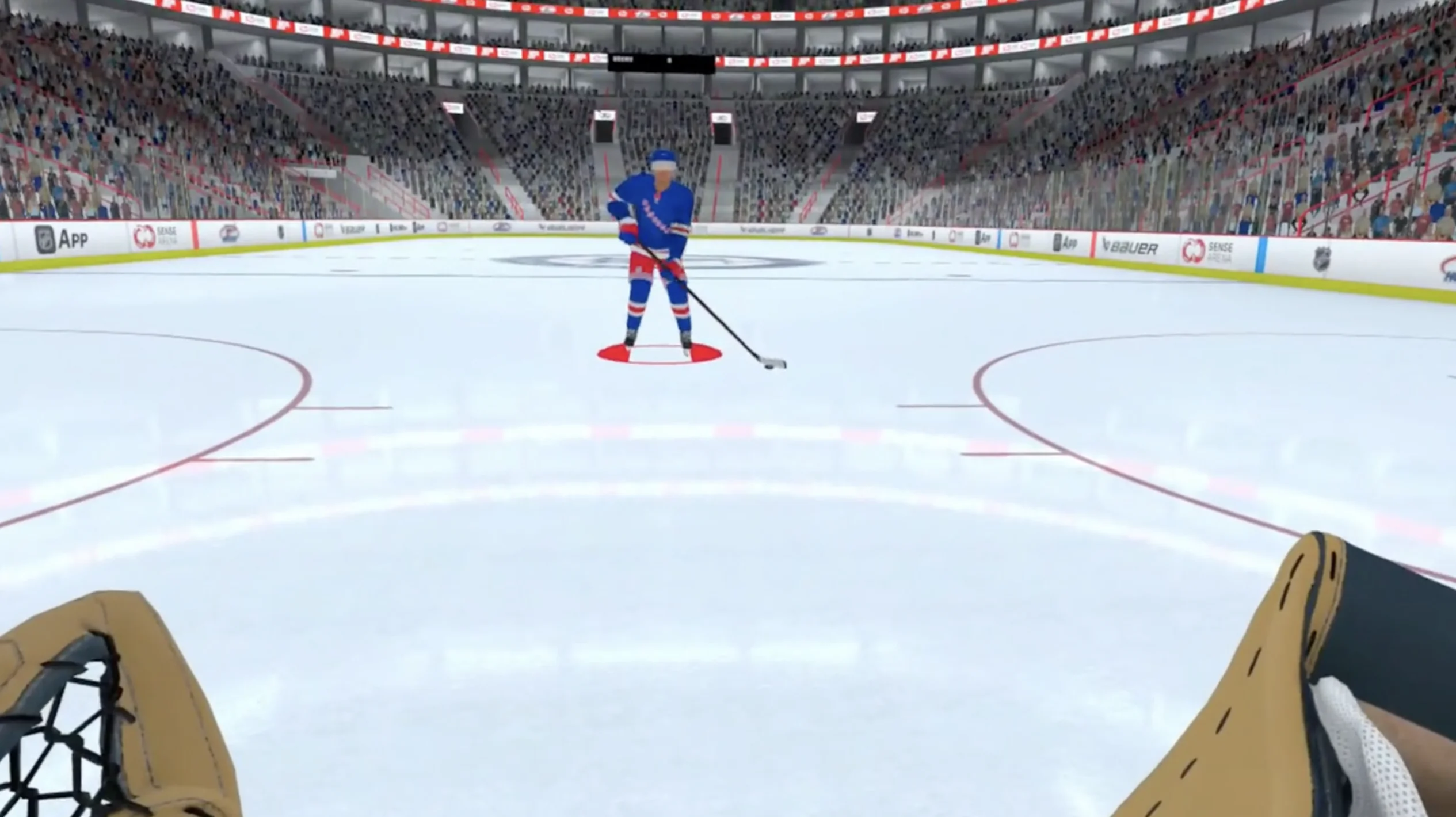
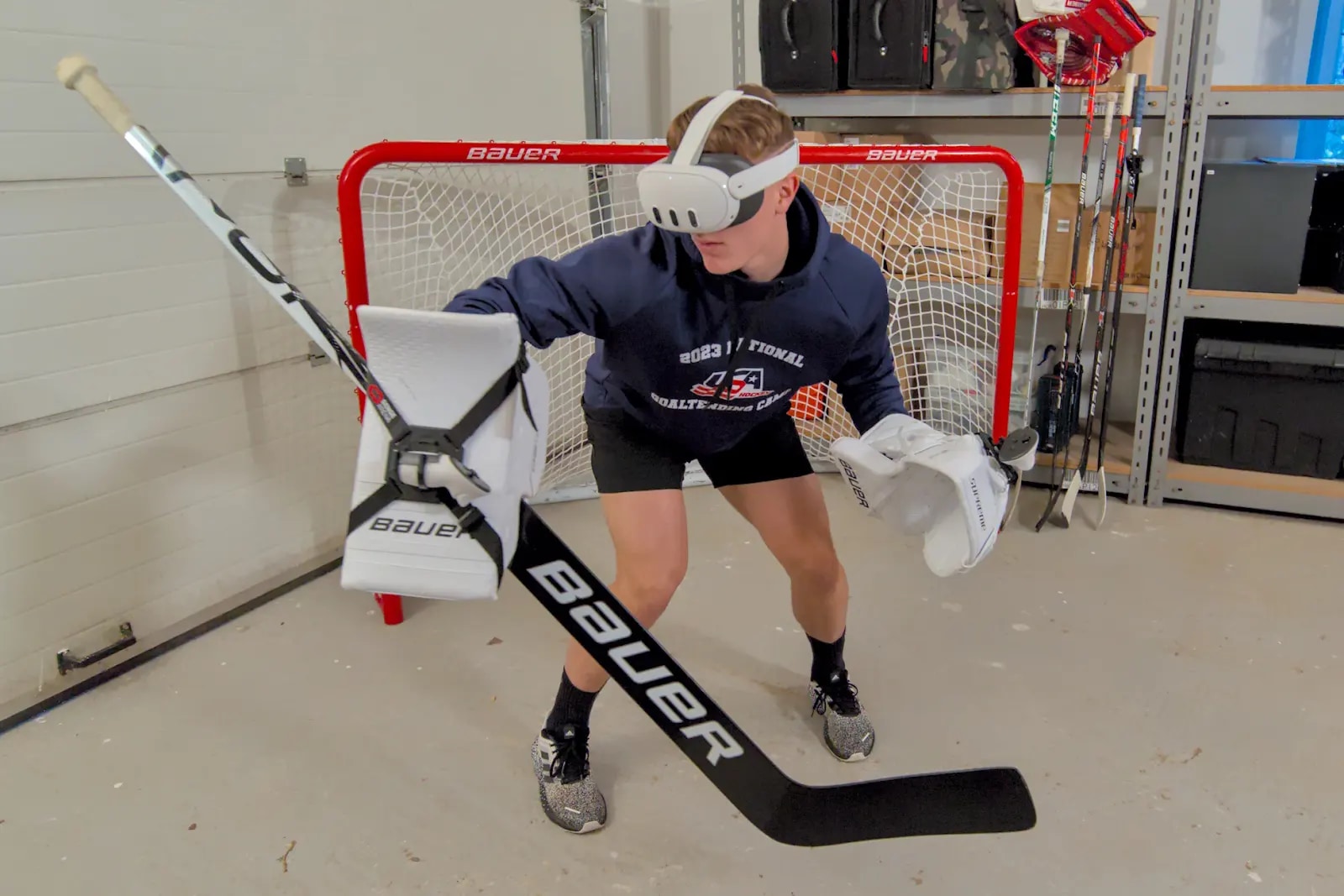
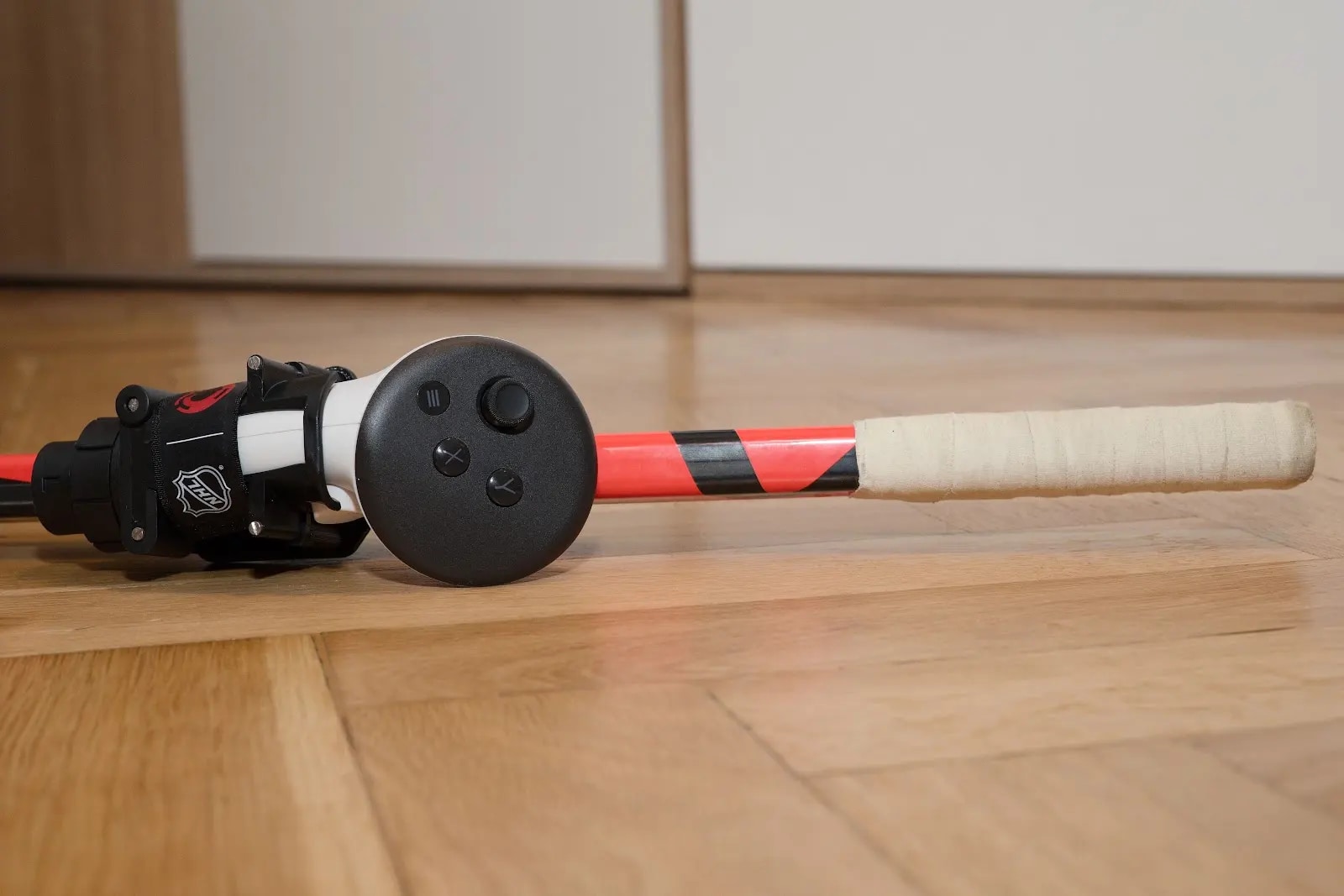
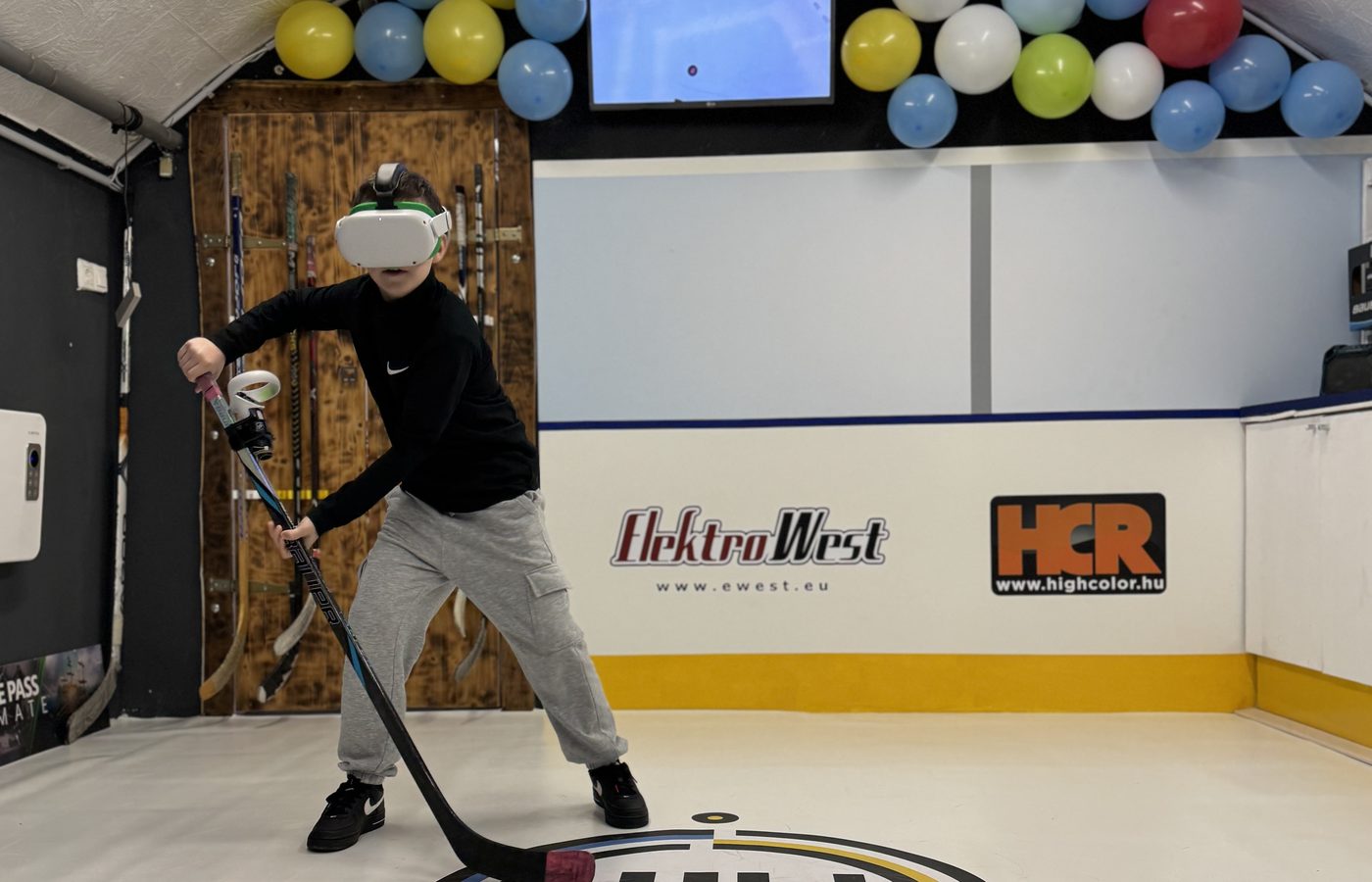
Additional sessions. The club can offer its own VR sessions. The club decides how participation and on-site arrangements work within the agreed use and licensing terms.
Activities for fans and events. A hands-on trial can work well on a game day or at a club event. It needs a dedicated space, on-site supervision and a setup that suits the participants.
Coaching expertise
Bartalis Balázs
Coaching mentor
Bilekov Balázs
Club contact


Seattle Kraken

Minnesota Frost


Utah Mammoth

Toronto Sceptres
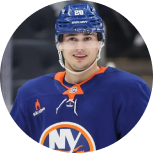

New York Islanders
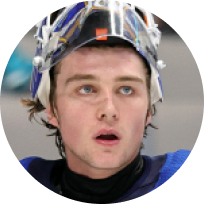

St. Louis Blues
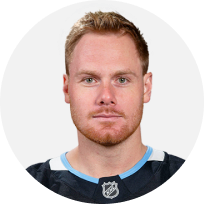
Utah Mammoth
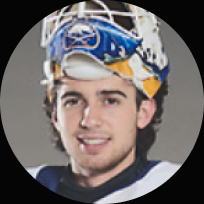

Buffalo Sabres
Minnesota FrostBetween training and games, she gets extra puck touches and runs through game situations in her head.
Toronto SceptresOff the ice, she gets additional puck touches and mentally rehearses game situations.
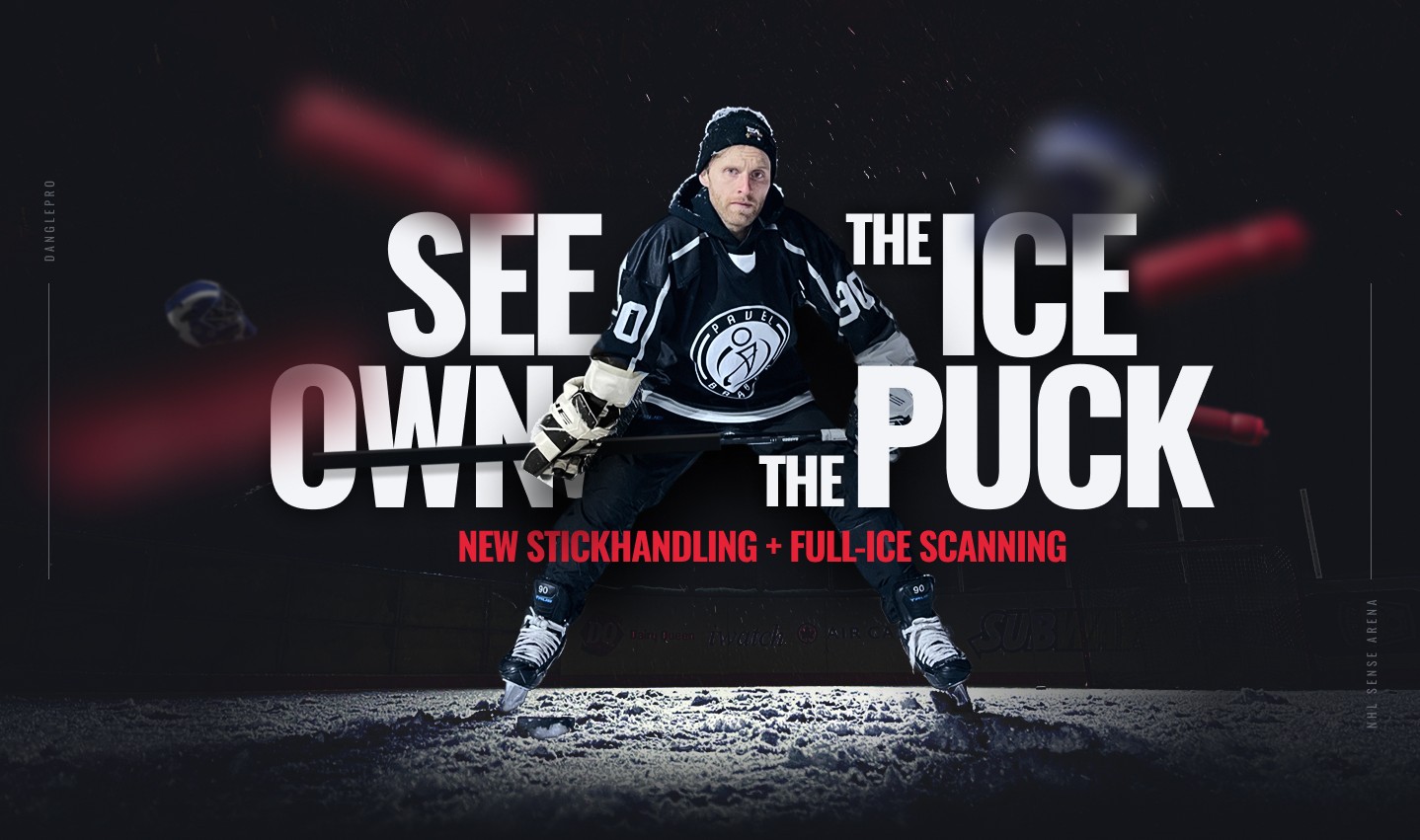
For him, it combines practising puck control with the fun of playing.
He sees value in working on a specific skill regularly and with a clear focus.
He stresses that smart decisions matter alongside technique.

“As soon as I put on the VR headset, I could see how valuable NHL Sense Arena would be as a training tool.”

“It’s really important to be able to picture how you’ll handle the situations you’ll face later.”

“Sense Arena challenges you. How do you track the puck, recognise patterns and respond in unfamiliar, difficult situations?”

“This preparation helps goalies go onto the ice calm, confident and mentally ready.”



Swipe sideways or use the arrows.


















Practical information
You need a clear training area that suits the drill and a designated coach. During the demo, we work out the space and schedule that fit your club.
Before starting, we agree who gets access, which staff members are responsible and their roles in handling the data.
A home training option can be agreed as part of the Performance programme, subject to the agreed access and partnership terms.
Hungarian clubs can include the programme goals, equipment, schedule and results tracking in their sports development plans. The responsible person at the club checks how the programme fits and which costs may qualify under the applicable terms.
For funding, the person responsible at the club can refer to the Hungarian Ice Hockey Federation’s 2026/27 funding information and the applicable funding rules. A programme description alone does not establish entitlement to funding or determine which costs qualify.
Demo and contact
Explore the training with your coaches and try it for yourselves. We’ll agree on the date, venue and setup together.
Request a demoThe terms for a longer trial are agreed separately.
Bilekov Balázs
Club contact
info@hockeyiq.hu
For the first enquiry, send the club name and the details of one contact person.